%20--%3e%3csvg%20version='1.1'%20id='Layer_1'%20xmlns='http://www.w3.org/2000/svg'%20xmlns:xlink='http://www.w3.org/1999/xlink'%20x='0px'%20y='0px'%20viewBox='0%200%202463%201632.1'%20style='enable-background:new%200%200%202463%201632.1;'%20xml:space='preserve'%3e%3cstyle%20type='text/css'%3e%20.st0{fill-rule:evenodd;clip-rule:evenodd;fill:%23FFFFFF;}%20%3c/style%3e%3cpath%20class='st0'%20d='M1927.7,3.1c-632.8-4.5-882.1-3.7-1117,0c-27.5,0.4-91.3,1.8-172.3,20.3C393,79.6,244.3,235.3,211.6,270.9%20c-17.5,19.1-73.6,83.5-116.9,164.3c-204.5,382-67.8,870.6,310.5,1085.6c364.5,200.3,673.5,78.7,826.2-17v128.4l385.9-0.2v-550.1%20h310.3c292.9,0,536.9-222.5,535.3-539.4C2461.5,225.3,2222.3,3.1,1927.7,3.1z%20M810.7,1286c-249.2,0-461.9-191.2-467.2-467.2%20c-5.2-274.5,218-458.9,467.2-458.9h420.8v365H827.9v356.9h369.1C1084.7,1209.8,980.8,1286,810.7,1286z%20M1927.7,724.6h-310.3V359.9%20h310.3C2159.8,359.9,2161.2,724.6,1927.7,724.6z'/%3e%3c/svg%3e)

Contemporary architecture or classic heritage property: which to choose in 2026?
Choosing between a contemporary villa and a classic heritage property is rarely a matter of taste alone. It is also an economic, energy and wealth-preservation decision that deserves a clear comparison. These are the factors we discuss with clients in 2026.
The appeal of contemporary architecture
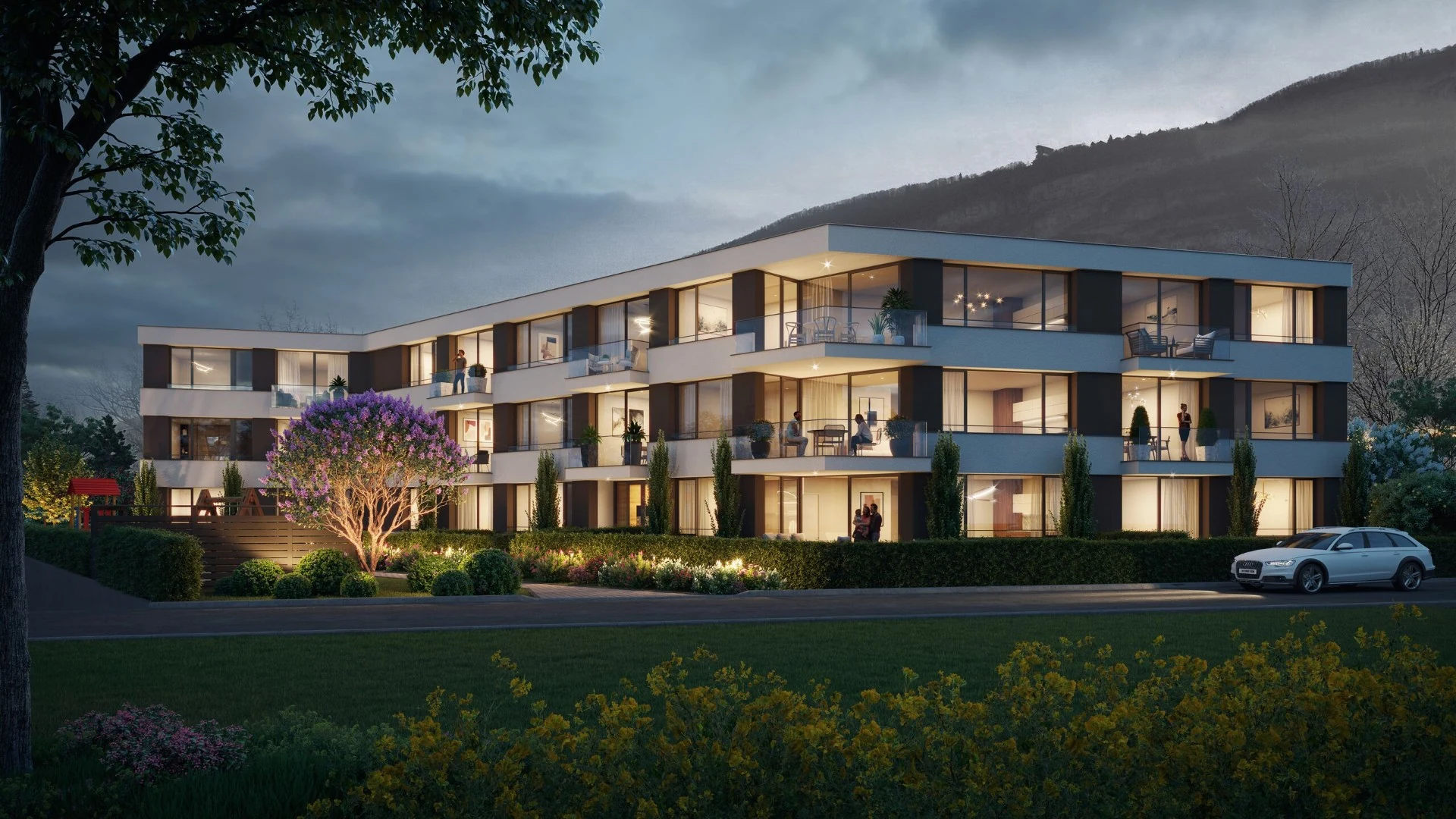
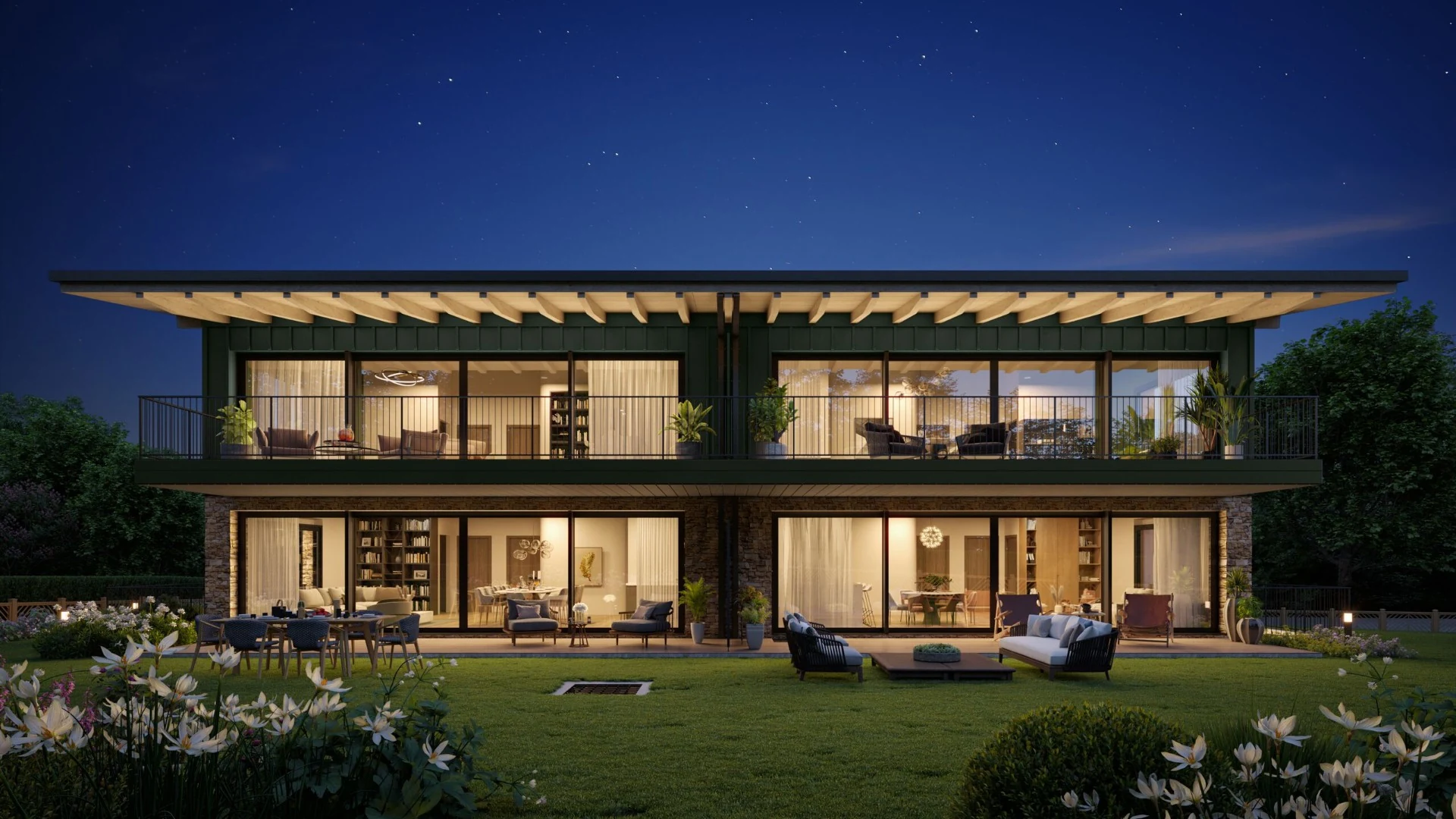
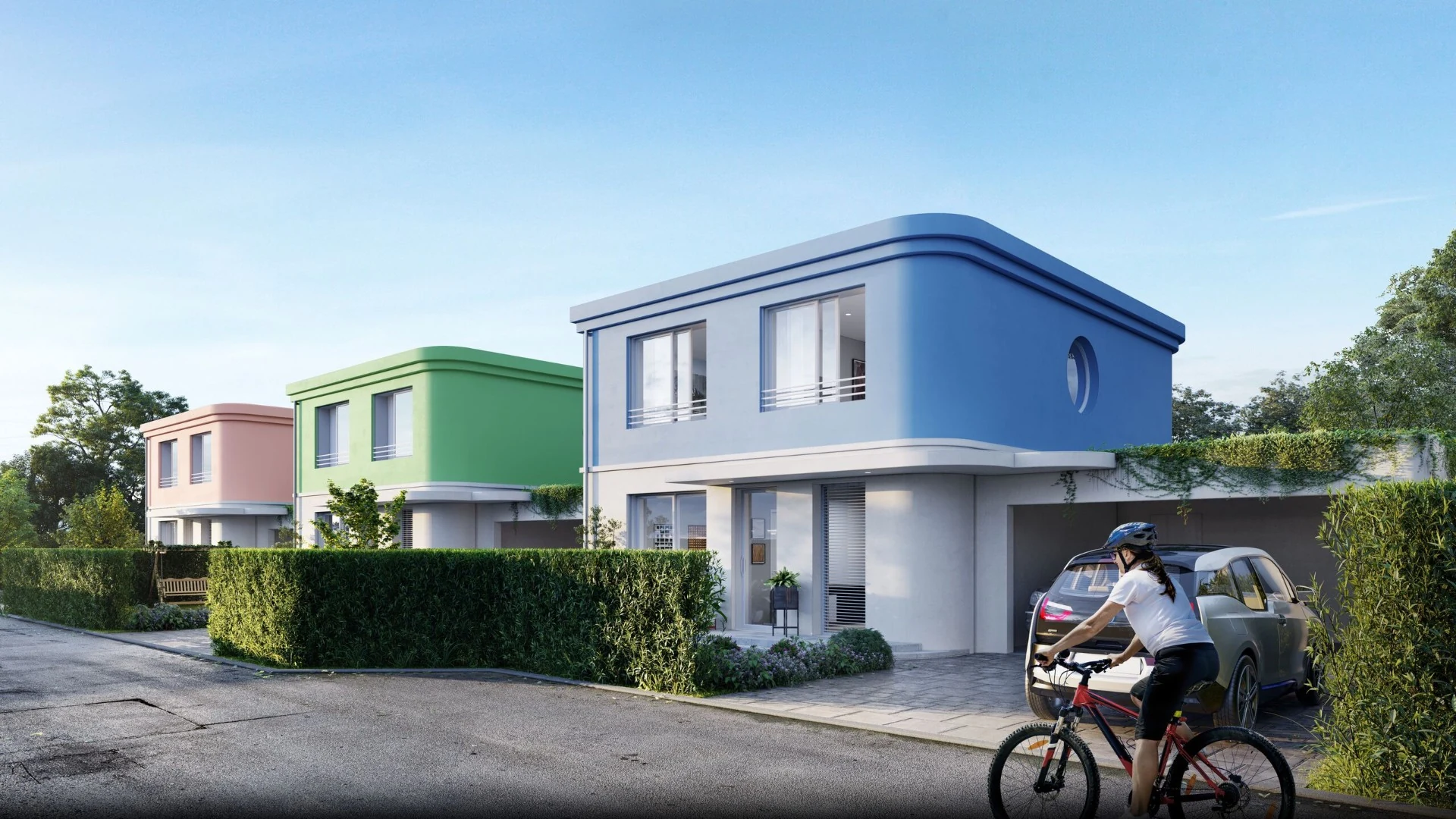
Well-designed contemporary villas offer several objective advantages. Open volumes, large glazed openings and a fluid connection between indoor and outdoor spaces match modern lifestyles. Energy performance is generally excellent, often meeting Minergie or Minergie-P standards, with heat pumps, balanced ventilation and integrated photovoltaics. Operating costs benefit accordingly.
From a technical perspective, home automation, security and water management can be integrated from the design stage. Predictive maintenance becomes possible, and major surprises are relatively uncommon during the first ten years.
The character of classic properties
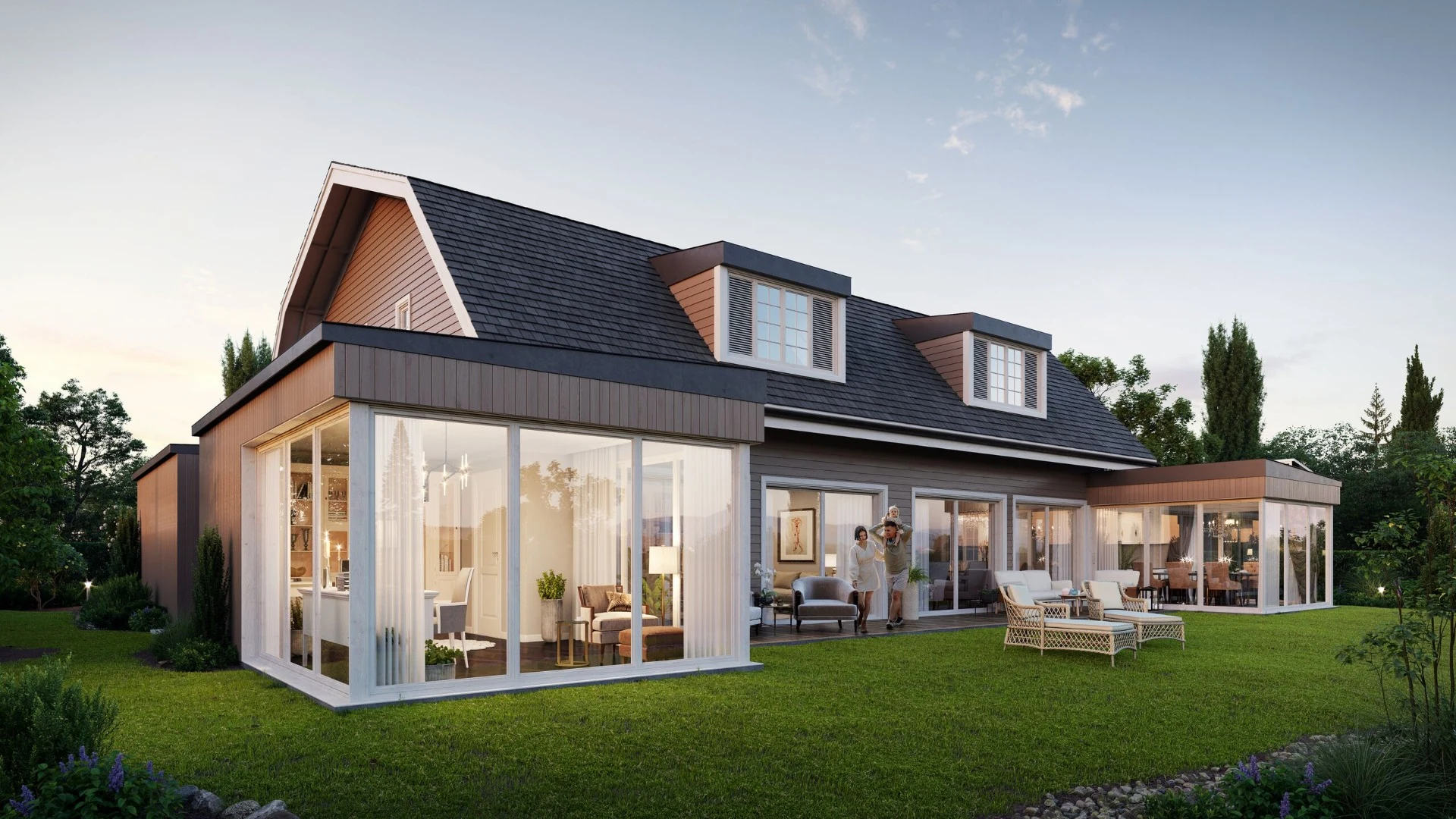
Period properties, whether nineteenth-century manor houses or Art Deco villas, tell a story that new construction cannot reproduce. Generous ceiling heights, mouldings, original parquet flooring, statement staircases and landscaped grounds create lasting emotional value. Their scarcity supports resale value when they are properly maintained.
There is a trade-off. An older house requires a meaningful annual maintenance budget, often around 1% to 1.5% of the property's value, while a major renovation can cost CHF 3,000 to 6,000/m² depending on the ambition. Heritage constraints, overseen by the relevant heritage authorities for protected buildings, can strictly govern visible alterations.
The impact of MoPEC 2026
The cantonal model energy regulations known as MoPEC have progressively been adopted across French-speaking Switzerland. In Geneva and Vaud, requirements for significant renovation have become more demanding. In practice, from 2026:
- Replacing a fossil-fuel boiler should normally favour a renewable solution, subject to documented technical exceptions.
- Envelope renovations must meet defined insulation thresholds.
- A CECB+ with an advisory report may be required for major transformations.
For classic properties, these costs need to be incorporated into the acquisition analysis from the outset. For recent contemporary construction, the impact is generally limited because current standards are already met. The SIA publishes many of the technical standards used in practice.
Total cost of ownership over 20 years
Consider two representative 20-year scenarios, excluding changes in property values:
- New 350 m² contemporary villa, Minergie standard: energy roughly CHF 4,000 to 6,000 per year, routine maintenance around 0.5% of value, and limited major work in the early years.
- Renovated 1900 manor house, 350 m²: energy roughly CHF 12,000 to 18,000 per year before a major efficiency upgrade, routine maintenance of around 1% to 1.5%, and substantial planned work every 10 to 15 years.
The gap can narrow significantly after a serious energy renovation of the older property, but that requires an initial investment that should be reflected in the purchase decision.
Resale value
At the exceptional end of the market, both profiles can perform strongly if quality is present. A contemporary villa by a recognized architect, or a manor house restored with respect for its character, can resell under excellent conditions. Conversely, generic contemporary construction and poorly maintained heritage property can suffer substantial discounts.
Our practical advice
Before deciding, ask yourself three questions:
- What is my expected holding period?
- Am I prepared to manage a heritage renovation project with its timeframes and constraints?
- How important are energy performance and environmental efficiency to me?
For transformation projects, our general contracting activity supports clients from design through construction management, working with local architects and engineering practices. The long-standing combination of brokerage and project delivery is one of the firm's distinctive features, explained on our agency page.